
Tackling climate change is the biggest challenge facing our generation and the transition to clean energy is critical to help us achieve the goal of reaching net zero by 2050. As National Grid is responsible for delivering energy to millions of homes and businesses in the UK, we have a big part to play in this.
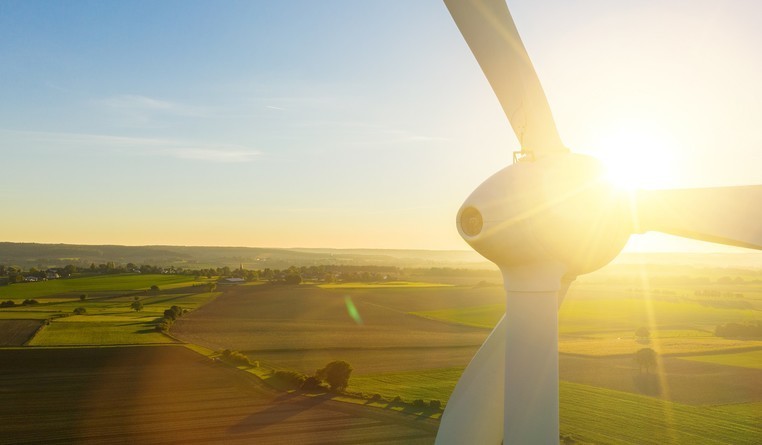
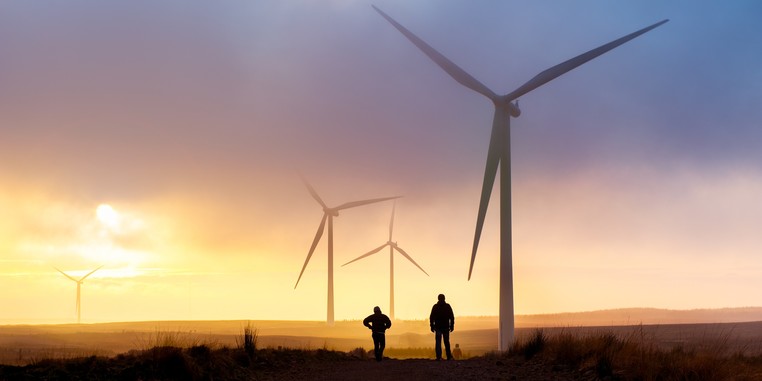
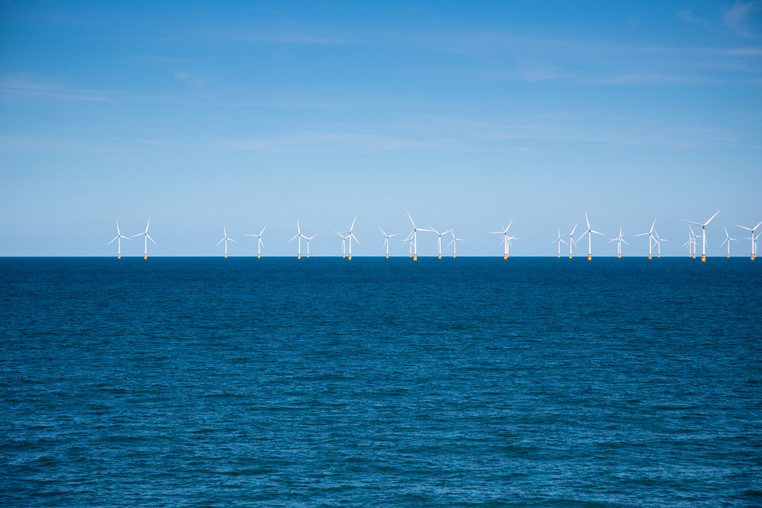
The North Sea is the engine room of the UK’s green and resilient future economy, leading the world in offshore wind technology.
Why we need to transform National Grid’s East Coast network
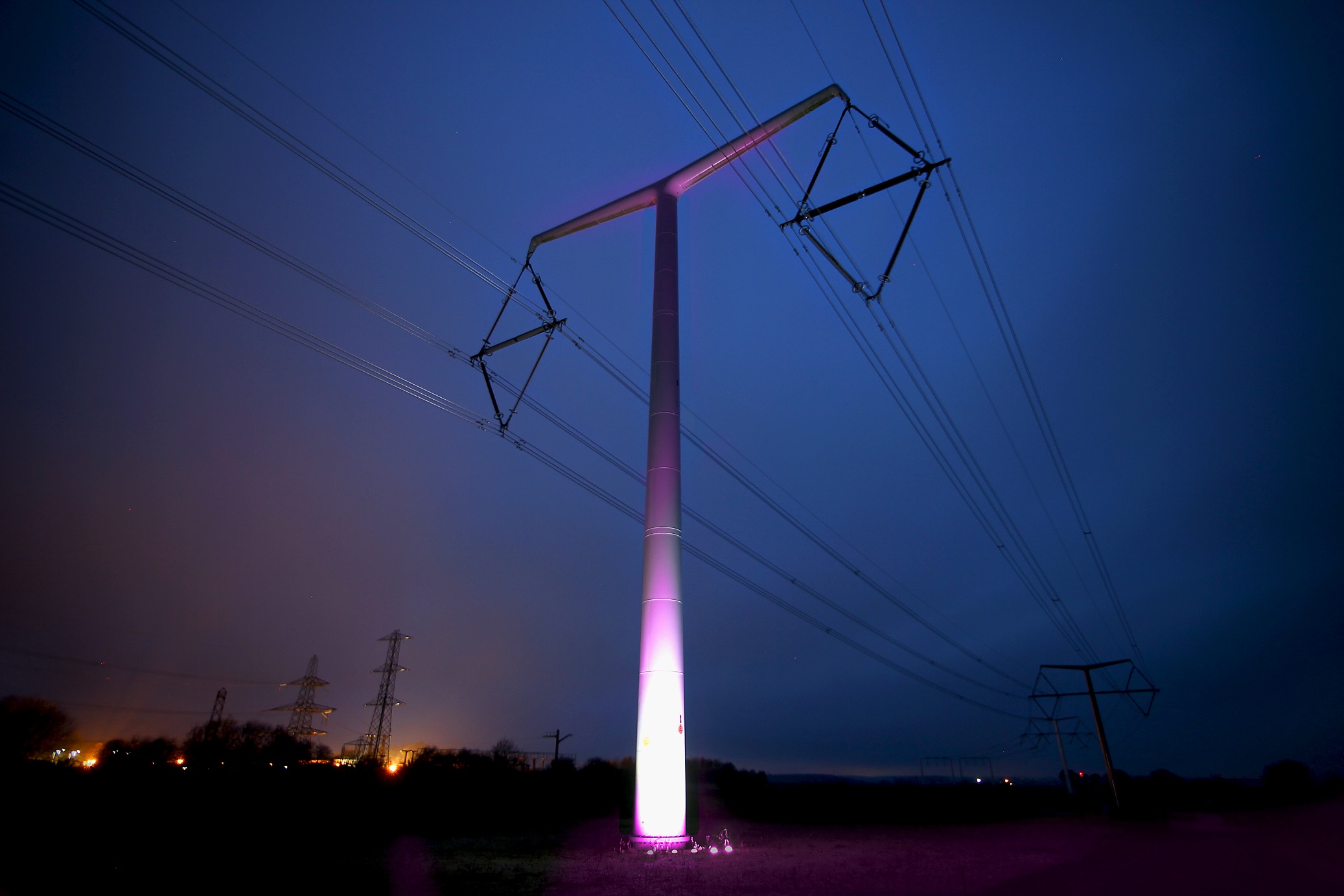
In order to migrate to a cleaner energy system, we need to connect increasing amounts of renewable energy from the North Sea and the UK’s East Coast to the national electricity grid.
The existing electricity network was designed to connect and transport energy from coal, nuclear and gas power stations. With 60% of all offshore wind developments looking to bring their energy on shore around the East Coast, we need to transform the network for a different low carbon future.
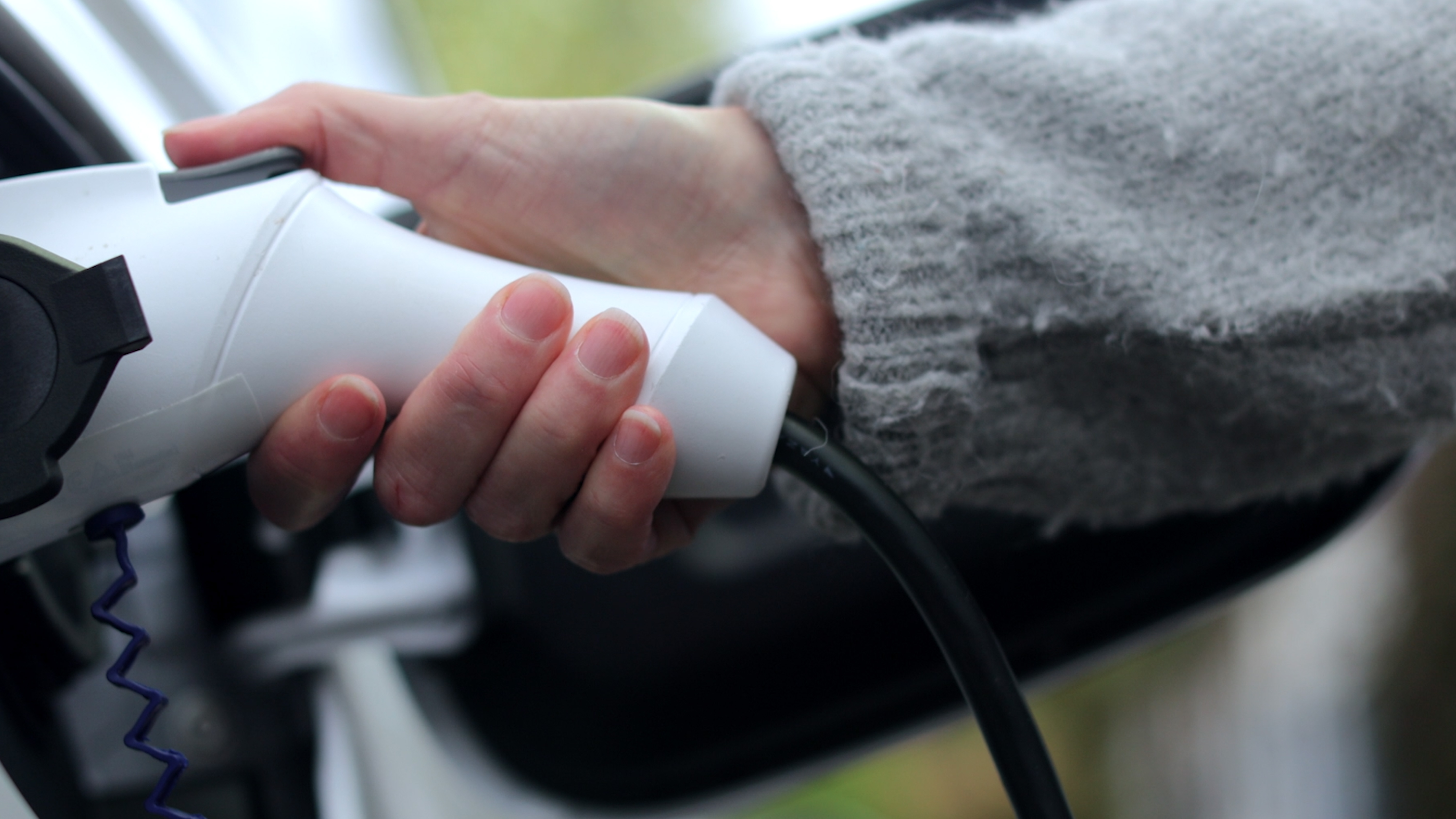
The infrastructure associated with offshore wind enables all communities - villages and cities - to tackle climate change at a local level. The rollout of electric vehicle charging stations and reducing carbon emissions from home heating are just two of the changes to green energy that will be supported by offshore wind.
How we'll achieve this
We will work with developers, suppliers, environmental groups and local communities to find the best local and environmental solutions to enable us to deliver increasing offshore energy to the UK population.

Building a country powered by green energy
Watch our video to learn more about our East Coast infrastructure project.
Building a country powered by green energyFrequently asked questions
All your questions answered about East Coast offshore wind.
Frequently asked questionsEast Coast offshore wind projects
Bramford to Twinstead
Increasing the capability of our network to carry cleaner greener energy that is proposed in East Anglia.
Bramford to TwinsteadEastern Green Link 1
A proposed high voltage subsea link to carry renewable energy from East Lothian in Scotland to County Durham in the north of England.
Eastern Green Link 1Eastern Green Link 2
A proposed high voltage subsea link to carry renewable energy from Peterhead in Aberdeenshire to Drax in North Yorkshire.
Eastern Green Link 2Yorkshire Green
An essential link between parts of our network to the north of York to help carry more clean green energy.
Yorkshire GreenWho's who
Learn about who is involved in offshore wind.
National Energy System Operator (NESO)
NESO controls the movement of electricity around the county second-by-second, ensuring demand and supply are in perfect balance.
National Energy System Operator (NESO)National Grid Ventures
Accelerating the development of our clean energy future in the UK and the US.
National Grid VenturesElectricity Transmission
Electricity Transmission owns, builds, and manages the electricity grids to which many different energy sources are connected.
Electricity TransmissionOfgem
Ofgem is a non-ministerial government department and an independent National Regulatory Authority.
OfgemDepartment for Business, Energy & Industrial Strategy
BEIS brings together responsibilities for business, industrial strategy, science, innovation, energy, and climate change.
Department for Business, Energy & Industrial StrategyThe Crown Estate
The Crown Estate manages the seabed of England, Wales and Northern Ireland, including offshore energy, aggregates, and cables and pipelines.
The Crown EstateWind Farm Developers
Develop and sometimes own and operate wind farms. This includes purchasing or leasing land/seabed, and securing transmission, power sales, turbine supply, construction, and financing agreements.
Wind Farm DevelopersOffshore Transmission Owners
Offshore Transmission Owners operate and maintain electrical transmission assets for connecting offshore windfarms from the sea to the main onshore network.
Offshore Transmission Owners
The future of offshore energy
Wind power is an endlessly renewable source of energy, and creates no greenhouse gas emissions, making it an important part of our journey to net zero. The windiest part of the UK is offshore, out at sea, so putting windfarms out there is the perfect source of renewable energy for us. Find out more about the advances being made in offshore energy and how we'll be using it to generate much more clean energy for a net zero future.
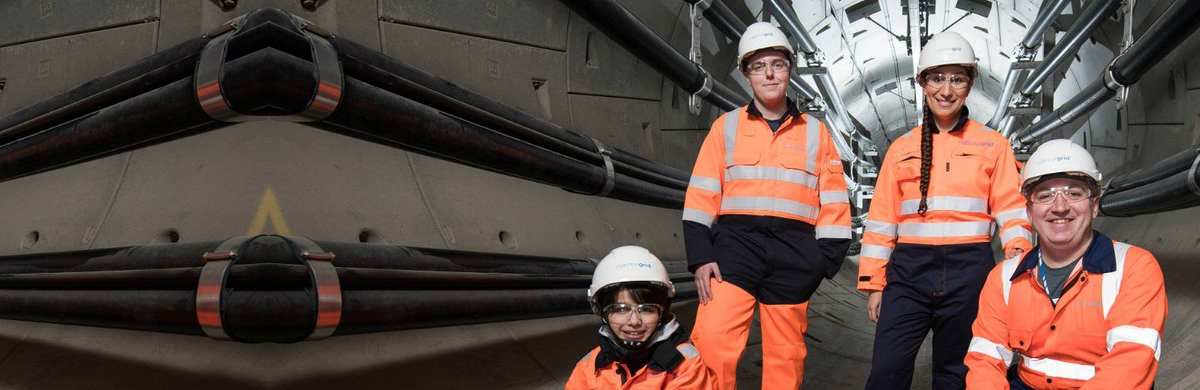
Hundreds of thousands of people needed to power UK’s net zero energy commitment
Research reveals 400,000 job opportunities for a ‘Net Zero Energy Workforce’, including nearly 100,000 roles across the north of England.
Hundreds of thousands of people needed to power UK’s net zero energy commitmentWhy zero carbon Humber should lead UK efforts to tackle climate change
Humber’s considerable existing resources, combined with ground-breaking Carbon Capture Usage and Storage (CCUS) technologies and the right support, can not only create a greener future but a more prosperous one too.
Why zero carbon Humber should lead UK efforts to tackle climate change